Wildlife Control Services for Residential and Commercial Properties
Professional Animal Extraction Services You Can Trust
Professional animal elimination services offer homeowners a reliable way to handle wildlife problems. These solutions employ expert expertise and humane techniques to tackle pest invasions effectively. A thorough assessment identifies vulnerabilities in properties, ensuring that not only are current issues fixed, but future risks are mitigated as well. Comprehending the process and its advantages is essential for homeowners dealing with these challenges. What factors should be considered when choosing a reliable provider?
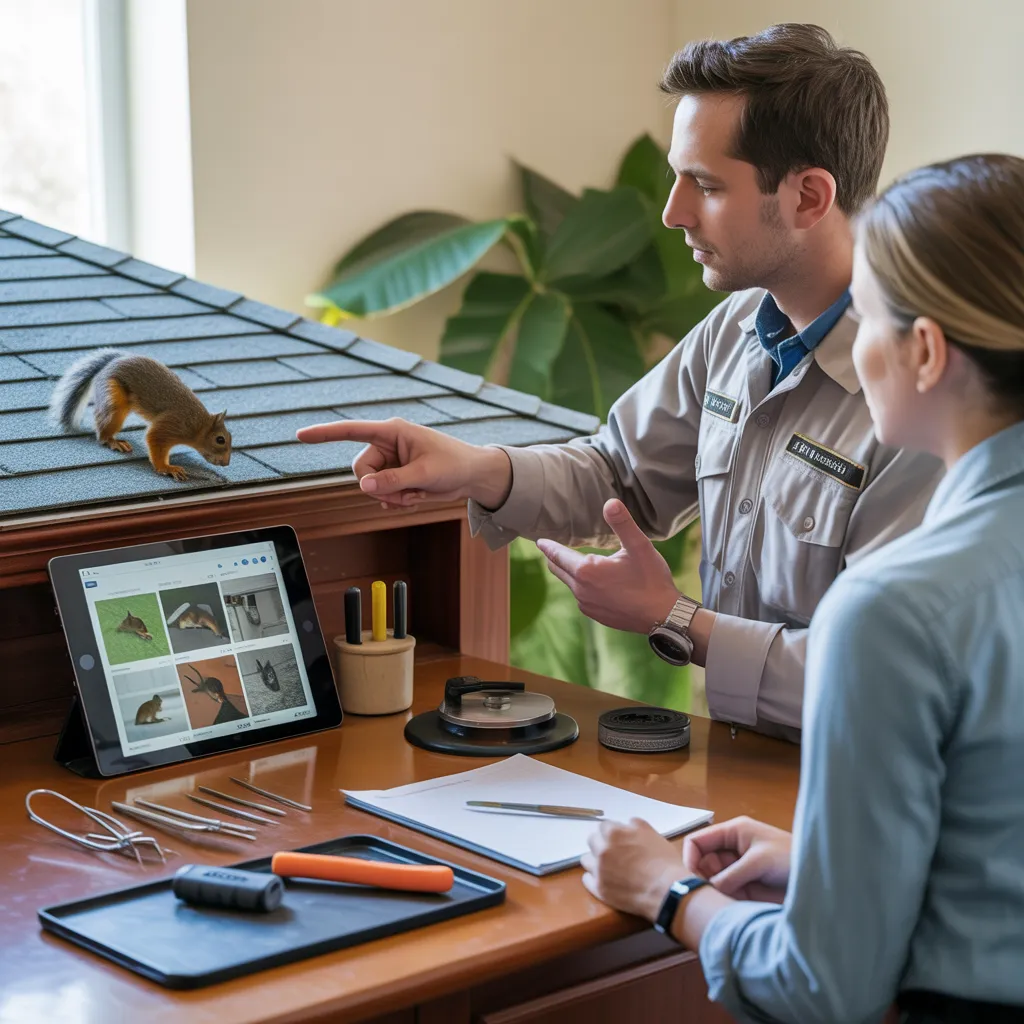
Why Skilled Animal Management Makes a Difference
While many property owners may attempt to handle wildlife problems on their own, the significance of professional animal removal cannot be overstated. Professionals possess specialized knowledge and equipment that guarantee the humane and safe elimination of unwanted wildlife. Attempting DIY solutions can result in additional problems, including injury to both the homeowner and the animal, as well as potential legal repercussions.
Moreover, professionals can pinpoint entry points and underlying issues, preventing upcoming pest invasions. They also comprehend local wildlife laws, confirming observance during the extraction process. Productive animal displacement not only guards the dwelling but also maintains the health of its occupants by limiting the risk of disease transmission. By relying on experts, residents can focus on their daily lives, assured that the problem is being handled smoothly and responsibly. In this way, professional animal displacement functions as an essential investment in securing a protected and wholesome living environment.
Symptoms That You Require Animal Exclusion Services
Recognizing the signs that suggest a need for animal removal services is important for keeping a secure home space. Homeowners should remain watchful for unusual noises in attics or walls, which may indicate the occurrence of pests. Moreover, unexplained damage to property, such as gnawed wires or chewed furniture, can be a clear indication of an animal infestation.
Locating excrement or trails near the residence is another sign that professional intervention might be necessary. Unpleasant odors, often caused by creature remnants or dead animals, can also point to a serious issue. Furthermore, views of wildlife in or around the property, especially during the light hours, may indicate that animals are encroaching on living spaces. Prompt attention to these signs can prevent more significant problems and ensure the safety and comfort of the household. Calling professionals at the first hint of trouble can reduce risks and restore peace of mind.
How to Choose the Perfect Animal Removal Company
What steps should homeowners take to guarantee they choose the right wildlife control company? First, they should research nearby choices and review internet ratings. Favorable feedback can demonstrate a company's trustworthiness and efficiency. Additionally, verifying credentials is crucial; licensed and insured professionals are more likely to follow professional guidelines and safety procedures.
Homeowners should also ask about the methods applied for animal removal. Ethical practices are important, verifying that animals are handled humanely and with safety. A credible company will supply understandable guidance about their strategies and follow-up services.
Additionally, getting multiple quotes can help homeowners assess costs and services provided. Clear pricing structures is crucial to prevent surprise expenses. Finally, consider the company's experience; established businesses often have a strong history in handling different animal scenarios. By following these guidelines, homeowners can assuredly select a reliable animal removal service.
Experienced Animal Removal Described: How It Works
Choosing the right wildlife control service helps homeowners comprehend the intricacies of professional animal removal services. Initially, trained technicians conduct a thorough inspection of the premises to identify signs of animal activity and possible access areas. This evaluation is crucial for developing an successful elimination strategy.
Next, compassionate traps or exclusion strategies are used, making certain that animals are captured without injury. Skilled professionals focus on secure and moral practices, reducing anxiety for the animals involved. Once removed, the technicians address the original access areas to prevent future infestations.
Furthermore, cleanup and sanitation are vital components of the process, as they help eliminate odors and potential health risks. This detailed approach not only tackles the immediate issue but also instructs homeowners about maintaining a wildlife-free environment. Ultimately, professional animal removal merges expertise, ethical practices, and preventive measures, ensuring a successful resolution to wildlife challenges.
What Might You Understand Following Licensed Animal Removal?
Following expert pest extraction, homeowners should anticipate a follow-up inspection schedule to ensure the area remains secure. Additionally, prevention strategies will be reviewed to prevent future infestations. These measures are essential for preserving a safe and animal-free environment.
Follow-Up copyrightination Timeline
What can one expect during the subsequent inspection plan after skilled animal removal? Usually, this requires a comprehensive review of the area to confirm that no animals remain and that any entry points have been adequately sealed. Experts will copyrightine potential nesting sites and check the quality of previous removal efforts. They may also check for signs of damage caused by the animals, such as gnaw marks or droppings.
The inspector will log data and can advise additional measures if necessary. This inspection commonly serves as a reassurance to homeowners, confirming that the location is animal-free and sound. Consistent follow-up visits can be important in keeping a pest-free environment and recognizing any emerging issues immediately.
Prevention Strategies Established
Following the successful removal of animals, avoidance plans hold a vital place in defending the property from future invasions. Professionals usually carry out a detailed approach, beginning with a careful inspection of the property to spot potential entry points and vulnerabilities. Measures like sealing cracks, installing screens, and reinforcing vents are commonly taken to deter animals from returning. In addition, landscaping modifications such as trimming dense vegetation and managing food sources help reduce attractants. Regular maintenance and checking are recommended to ensure these strategies are effective. Property owners might also receive guidance on best practices, including proper waste disposal and safeguarding pet food. By proactively addressing these aspects, the possibility of re-infestation is greatly diminished, ensuring a safer and more secure environment.
Steps to Stop Upcoming Creature Problems
Preventing future wildlife problems requires proactive measures and a close attention for potential entry spots. Homeowners should frequently inspect their properties for gaps in foundations, attics, and vents, sealing any openings to deter animal entry. Proper care of landscaping is vital; overgrown vegetation can provide refuge for pests. Additionally, securely storing food and garbage in pest-proof containers minimizes appeal to wildlife.
Installing barriers can also function as a warning mechanism, especially around vegetable patches or animal enclosures. It is important to keep exterior areas clean by eliminating waste and mess that may shelter animals. Informing family occupants about animal consciousness and the significance of documenting encounters can foster a proactive approach. Ultimately, consistent maintenance and vigilance of the grounds establish an hostile environment for wildlife, greatly decreasing the chance of recurring infestations and providing tranquility for homeowners.

Common Asked Questions
Does Homeowners Insurance Include Wildlife Control Services?
Animal removal services may be covered by homeowners insurance, depending on the policy specifics. Homeowners should copyrightine their coverage details or contact their insurance provider to ascertain eligibility for reimbursement related to wildlife removal.
What Kinds of Beasts Do Professional Services Extract?
Professional services generally remove a variety of creatures, such as raccoons, squirrels, bats, skunks, snakes, and birds. Each species requires specialized techniques to guarantee secure and humane removal from residential or business properties.
What is the Standard Timeframe of the Animal Removal Process?
The wildlife extraction process visit resource typically requires anywhere from one to several hours, depending on the species in question and the difficulty of the situation. Factors like location and accessibility also affect the duration.
Is Animal Removal Harmful to the Wildlife That Are Relocated?
Animal control procedures are meant to minimize harm, stressing secure relocation rather than hurt. Reputable services prioritize kind practices, ensuring that animals are treated with care and returned to fitting habitats whenever achievable.
Can I Undertake DIY Animal Removal Before Calling Professionals?
Undertaking DIY animal removal efforts is risky and could create unwanted injury for both the animals and the individual performing the task. Specialists advise carefully copyrightining the circumstances before deciding to contact professional assistance.